
The quiet renaissance in surgical robotics
Beneath the noise of general-purpose humanoids, a new generation of task-specific surgical robots is quietly reshaping OR economics.
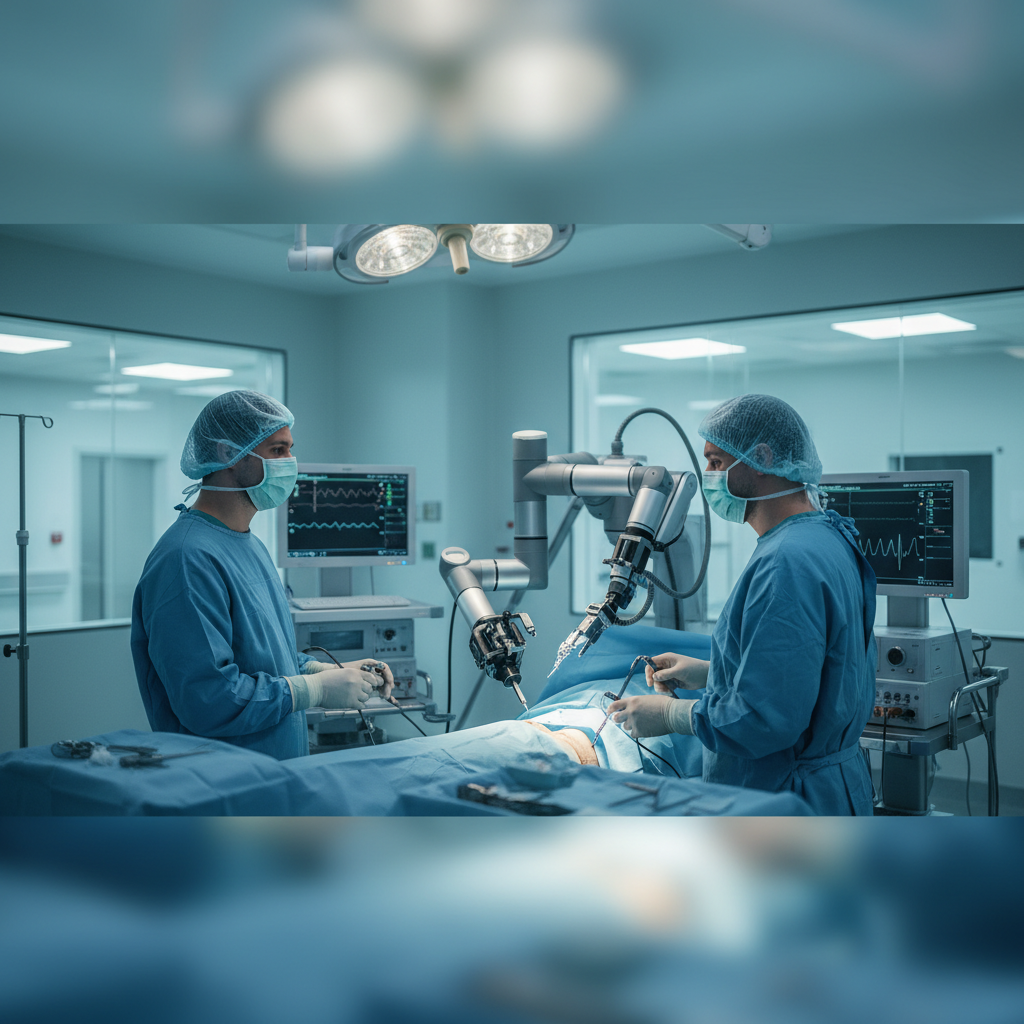
Beyond the da Vinci moat
The next wave of surgical robots are not trying to be platforms. They are single-procedure systems — spine, ENT, ophthalmic, endovascular — with capex under a million dollars and a per-procedure cost structure that finally works for ambulatory surgery centers.
The AI layer
Where the last generation was mechanically differentiated, this generation is software-differentiated. Real-time tissue recognition, automated safety envelopes, and post-op analytics are the features surgeons now ask about first.
The ASC channel
Ambulatory surgery centers, not hospitals, are the wedge. They buy faster, care about throughput obsessively, and are willing to standardize on a single robot per procedure. Founders should build for this channel first.
Why task-specificity beats generality here
The dominant platform in surgical robotics was built as a broad, multi-specialty system, which gave it scale advantages but also meant its economics and footprint were optimized for no single procedure in particular. The new generation of entrants is doing the opposite: building a system around one procedure family, accepting a narrower addressable market in exchange for a footprint, capital cost, and workflow fit that a hospital's specific service line can actually justify.
This narrower approach also shortens the clinical evidence path, since a single-procedure system only needs to demonstrate superiority or non-inferiority in one well-defined comparison rather than across a portfolio of heterogeneous use cases. That shorter evidence path is showing up directly in faster time-to-adoption for some of these newer systems relative to their generalist predecessor.
Where the real moat has moved
Hardware alone is no longer a durable moat in this category; multiple credible instrument and platform designs now exist, and the differentiation has shifted to the software layer that assists with guidance, tissue recognition, and intraoperative decision support. A system that can shorten a procedure by a clinically meaningful margin through better guidance software has a commercial argument that a marginally cheaper but software-thin competitor cannot easily match.
This shift favors companies that can iterate on software post-deployment without new hardware clearance cycles for every improvement, which is a very different capital and regulatory strategy than the one that built the incumbent's moat. It also means the competitive set now includes software-only companies layering guidance tools onto third-party hardware, a category that barely existed a few years ago.
The ASC channel changes the buyer entirely
Ambulatory surgery centers operate under a fundamentally different capital and utilization logic than hospitals: a device has to pay for itself against a much higher case-volume expectation per dollar of capital outlay, and the buyer is frequently a physician-owner rather than a hospital capital committee. Systems designed for ASC economics tend to be smaller, cheaper, and faster to turn over between cases, which is a different design brief than optimizing for a hospital's flagship robotics suite.
For a founder, selling into the ASC channel means the sales cycle is shorter and the buyer is more clinically sophisticated but also more price-sensitive, since the ROI math is done by someone who directly bears the capital cost. Companies underestimating how differently ASC buyers evaluate capital equipment tend to overprice their way out of what is otherwise the fastest-growing channel in the category.